


Camino Cultural Walser: Ruta local Hirschegg
Nivel de dificultad: T1
En este paseo cultural, casas antiguas, establos y otros testigos del tiempo cuentan su historia centenaria. En los paneles informativos en los edificios y lugares culturales e históricos del Camino Cultural...
En este paseo cultural, casas antiguas, establos y otros testigos del tiempo cuentan su historia centenaria. En los paneles informativos en los edificios y lugares culturales e históricos del Camino Cultural Walser hay información histórica interesante. Además, se puede escuchar la audioguía de outdooractive en cada estación. El camino cultural y por tanto la historia de los Walser está inmerso en un paisaje natural único con bonitas vistas panorámicas.
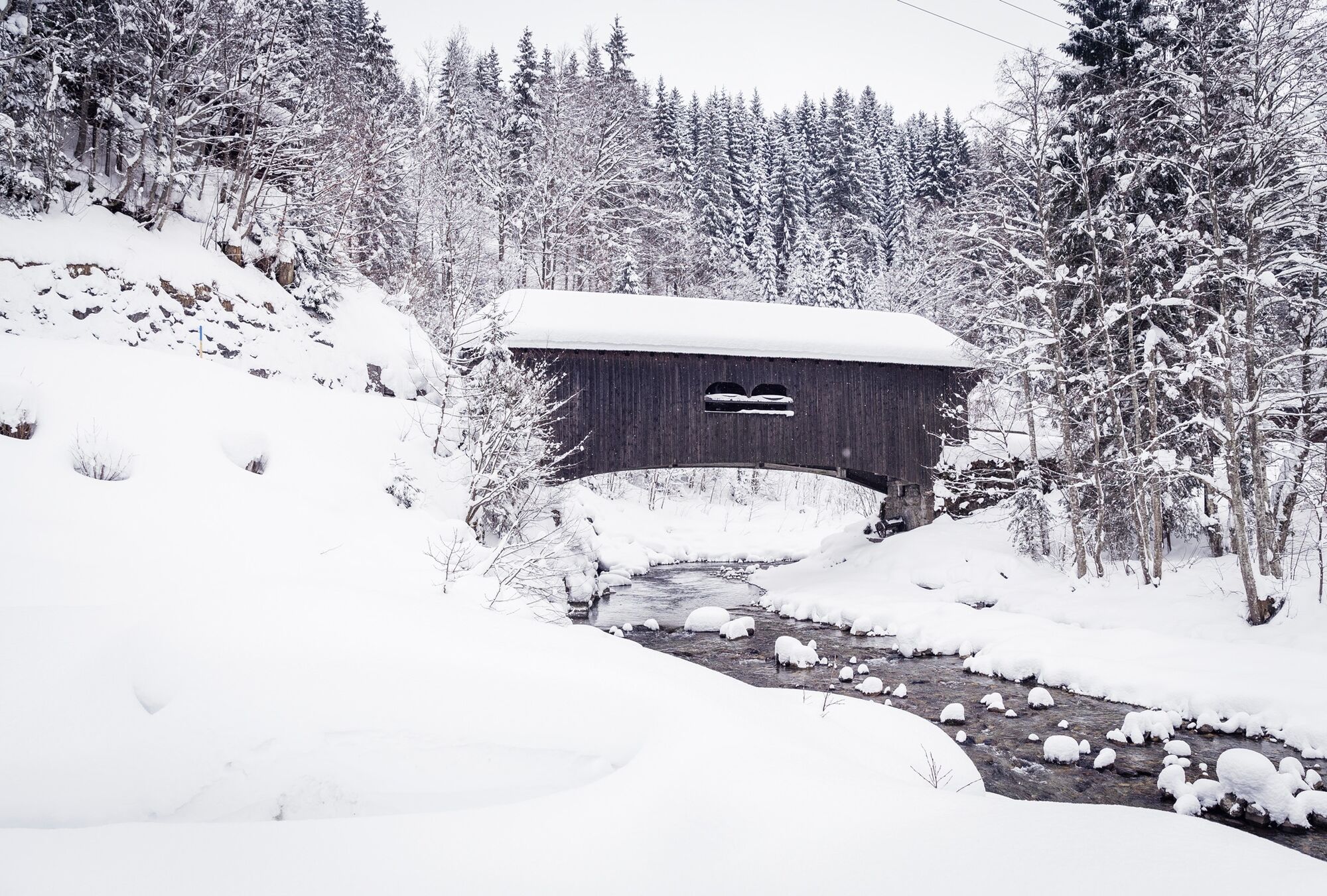
El paseo por el pueblo comienza en la Iglesia parroquial de Santa Ana en Hirschegg. El paseo pasa primero por la Casa de la escuela y del sacristán. Desde el centro de Hirschegg se baja, por un trecho muy empinado, hasta el río Breitach. Luego continúa por el camino Breitach y pasa por la Capilla Maria Hilf. Después del puente cubierto de madera Leidtobel, el camino Breitach se abandona brevemente para desviarse hacia la Casa del tirador en el puente Leidtobel. Después, el paseo vuelve al camino Breitach. La siguiente estación del camino cultural es la fuente mineral Maria Höll, a la que se le atribuyen poderes curativos. Desde allí el sendero sube por la carretera nacional y llega a una casa de más de 400 años, la Casa Walser Kessler. A lo largo del camino panorámico se llega a la antigua casa comunal, que fue la sede de la administración del municipio del valle durante más de 150 años. Poco después se encuentra un pequeño granero independiente, que hasta hace unos 200 años formaba parte de cada granja Walser para almacenar grano, harina y otros alimentos. Luego el paseo continúa hacia la Iglesia de la Cruz, que fue construida en 1953 como la primera y única iglesia protestante de montaña en Kleinwalsertal. La última estación del camino cultural de Hirschegg es una capilla conmemorativa de guerra construida en 1935.

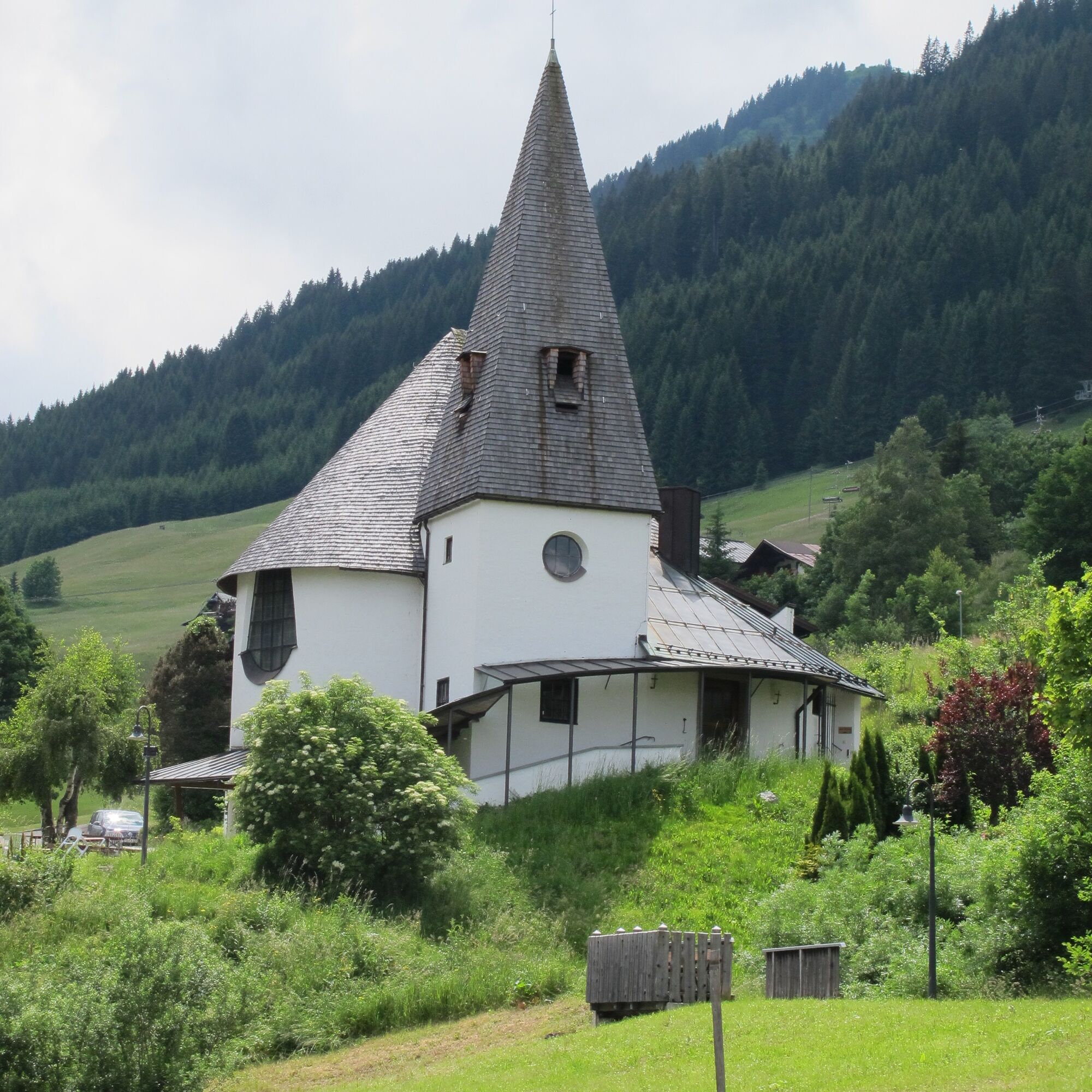
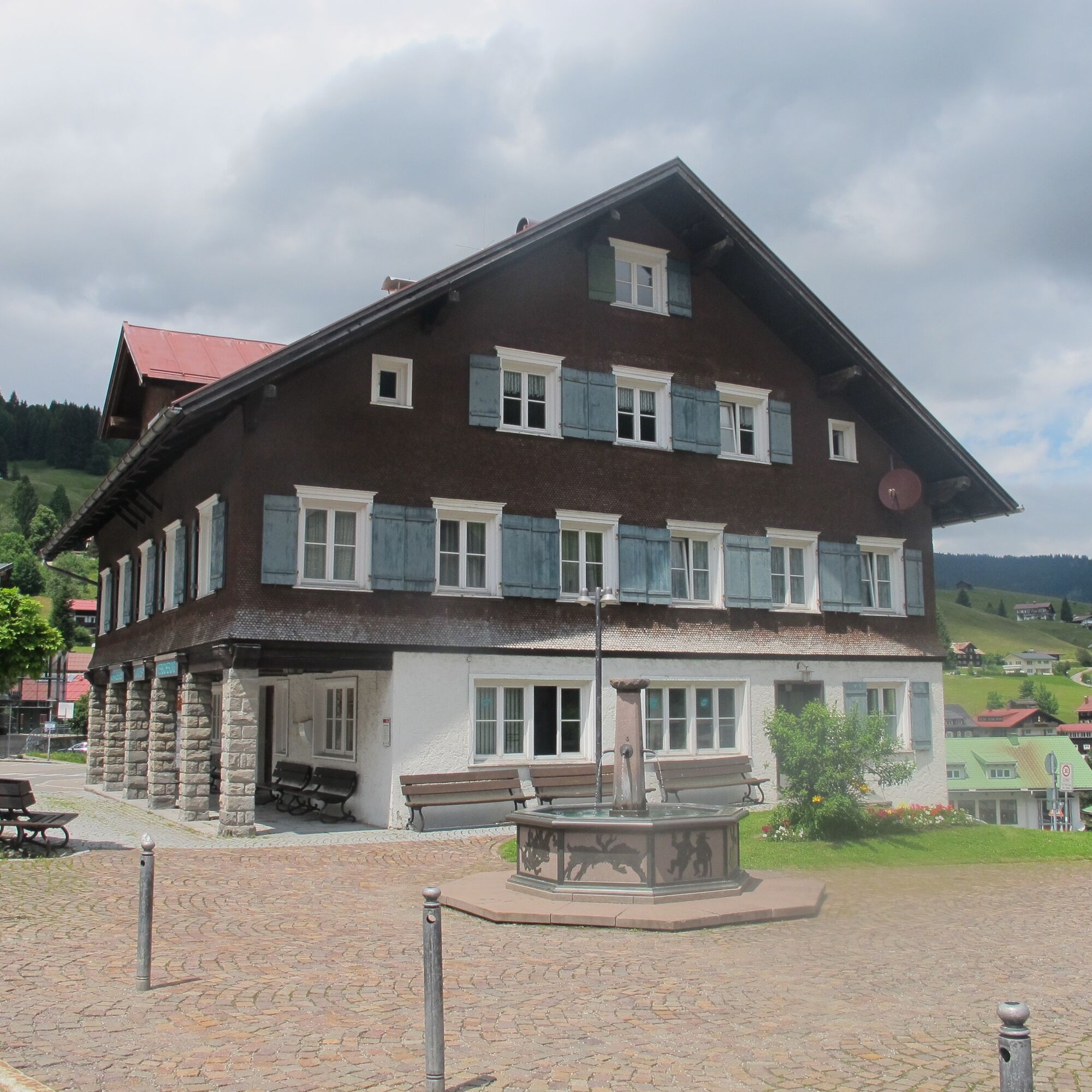
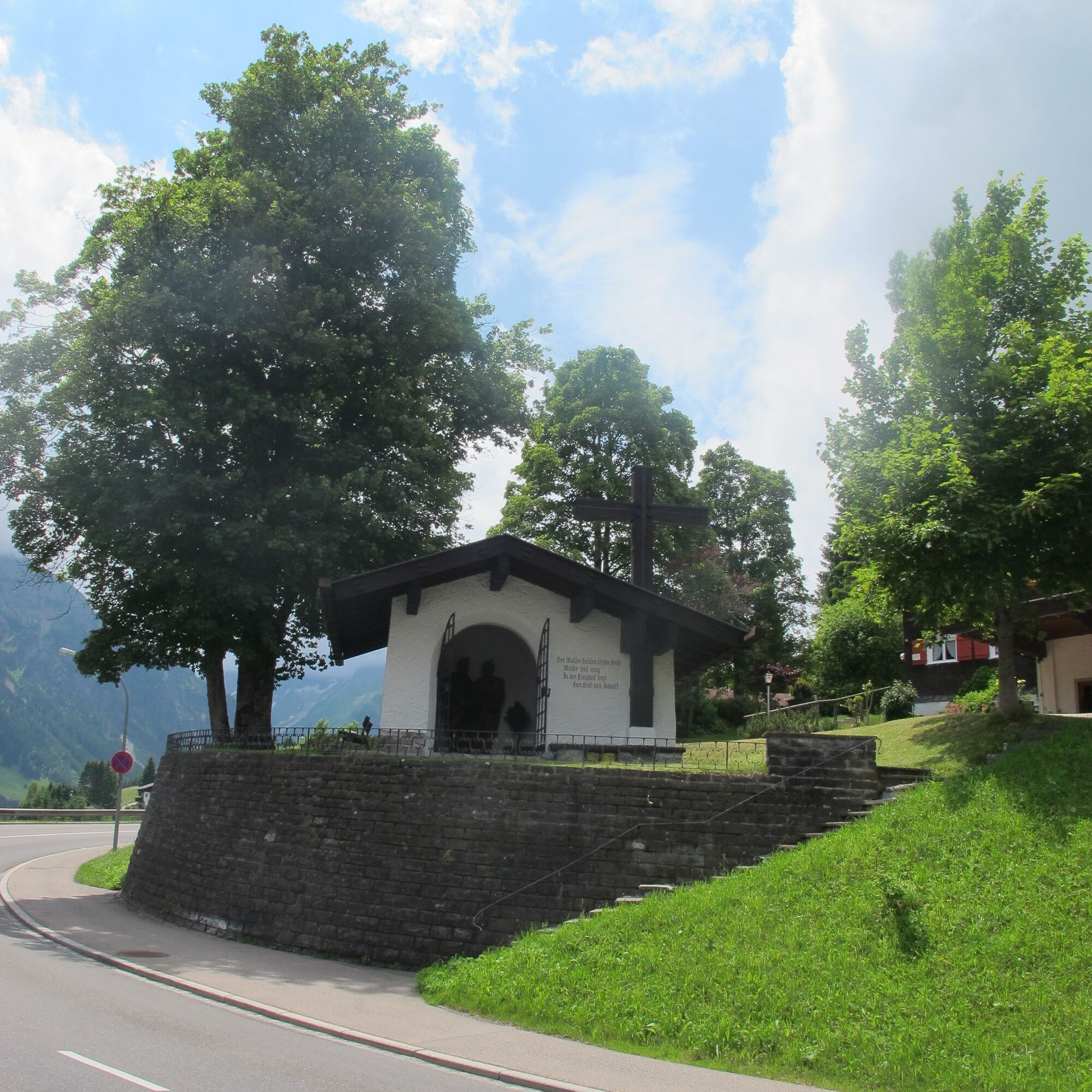
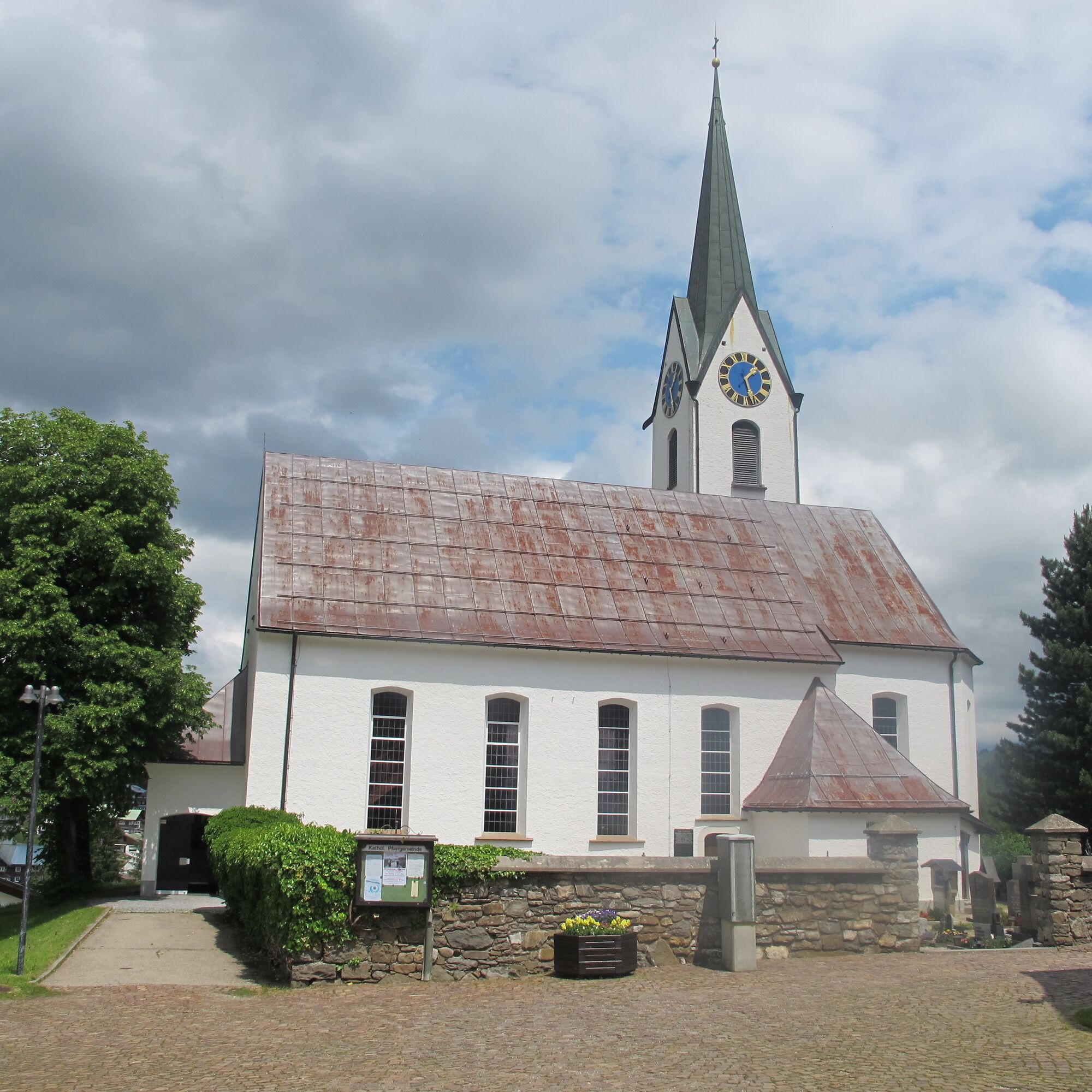
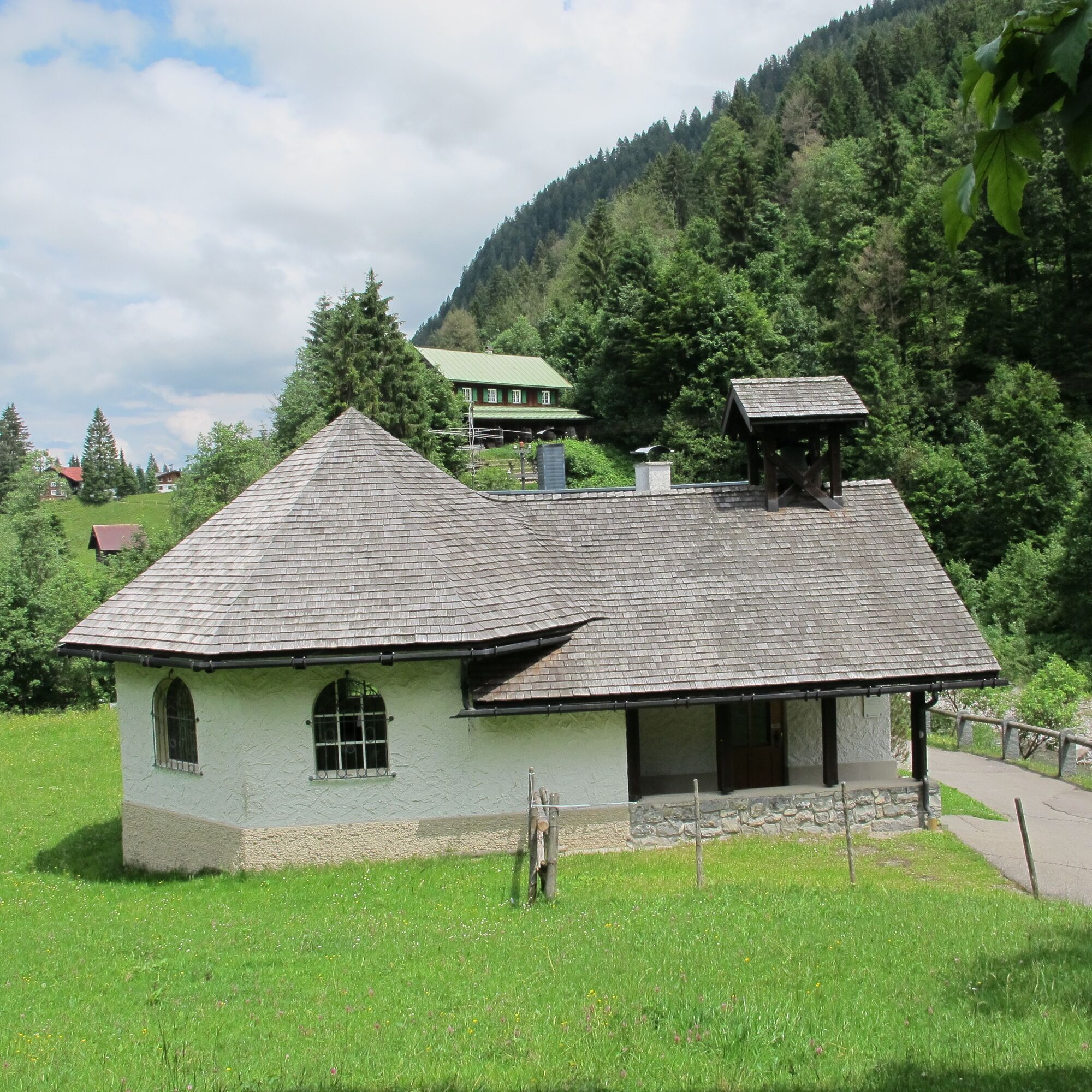
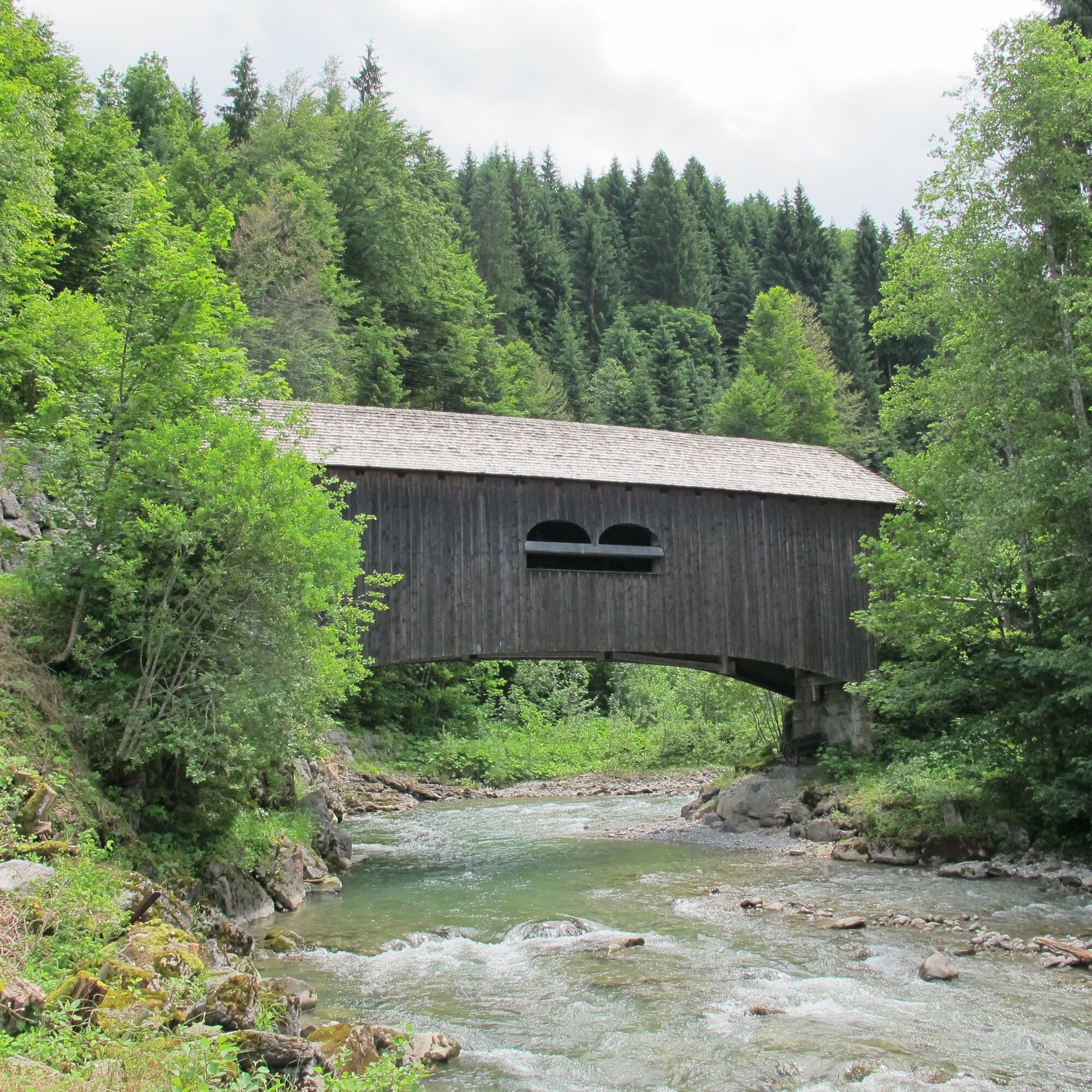
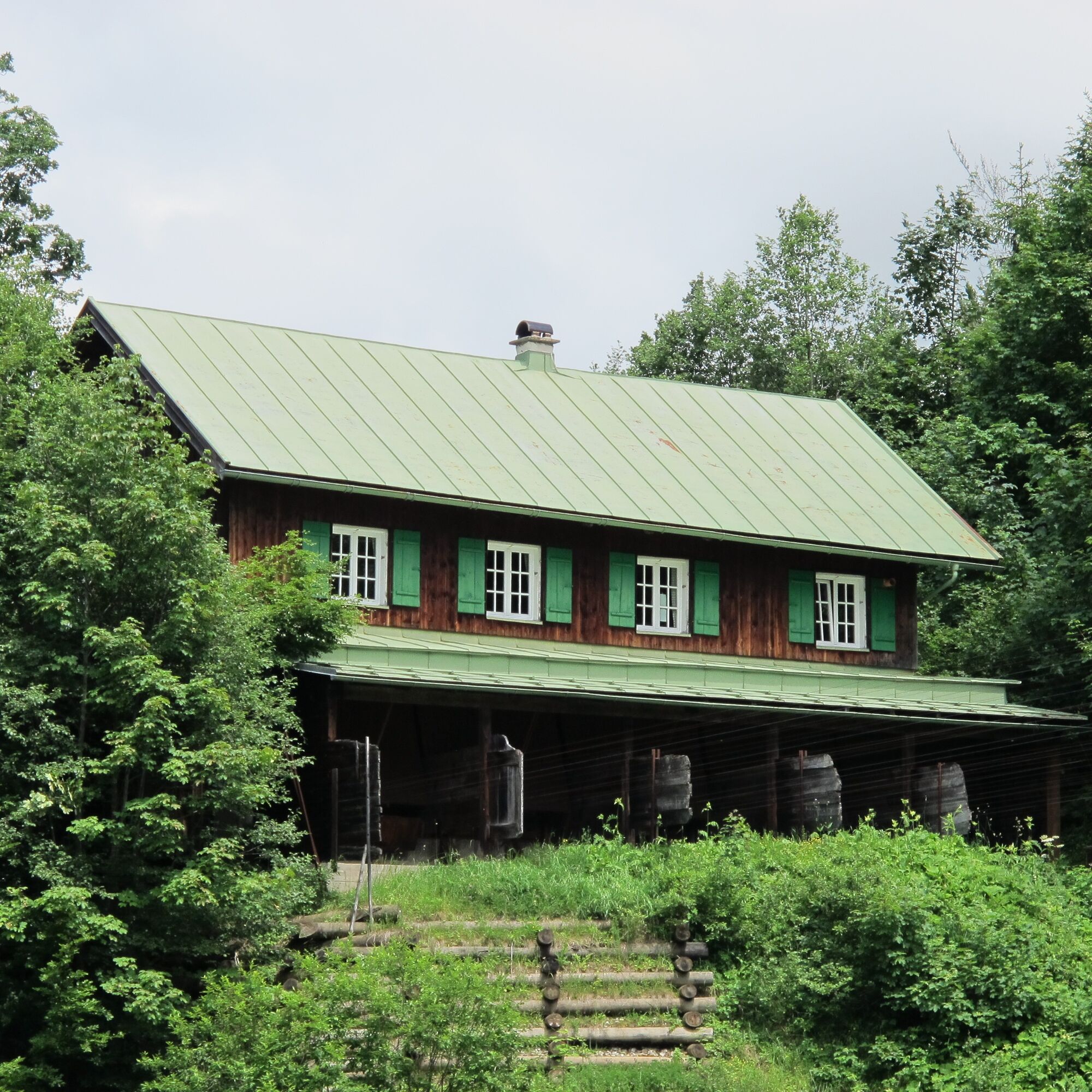
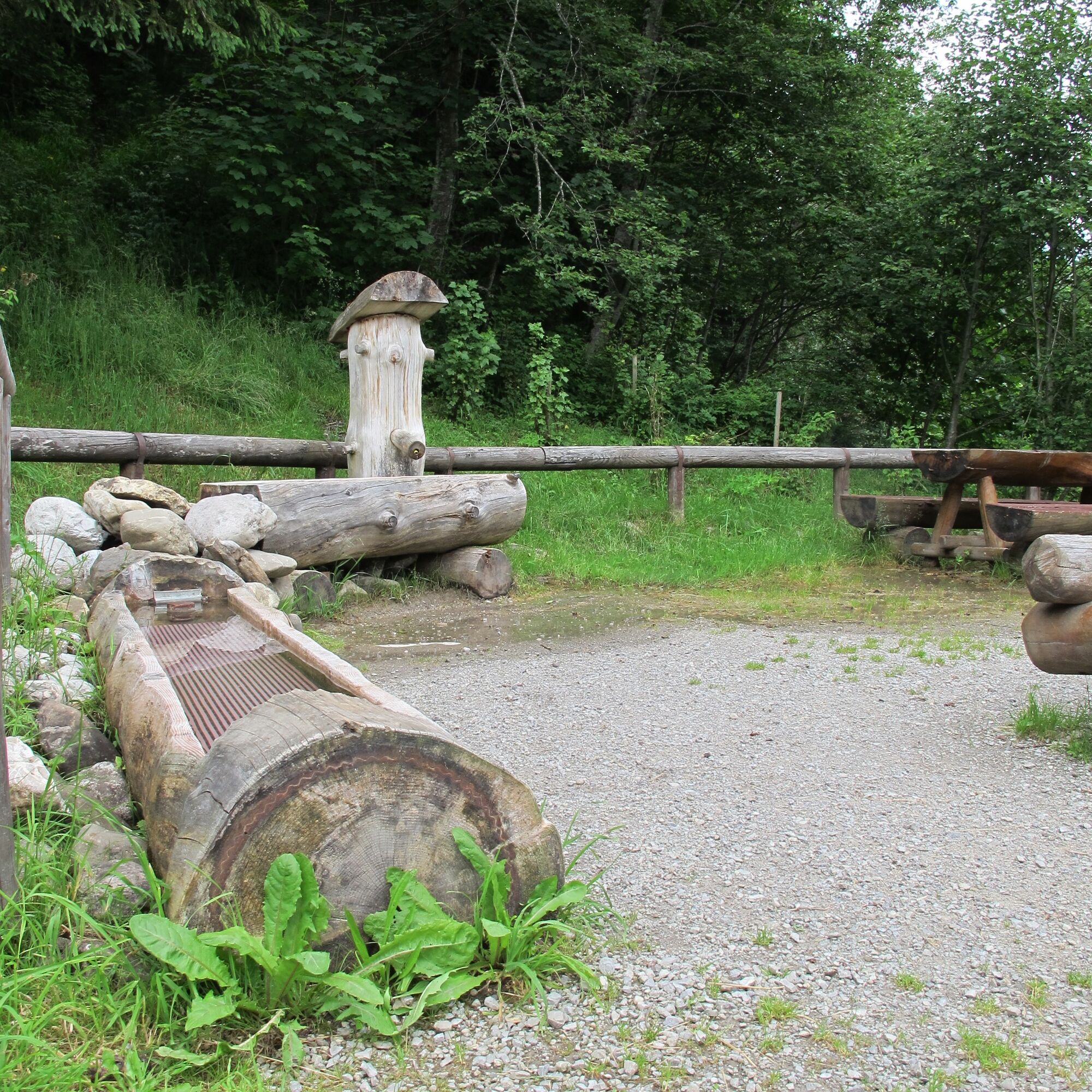
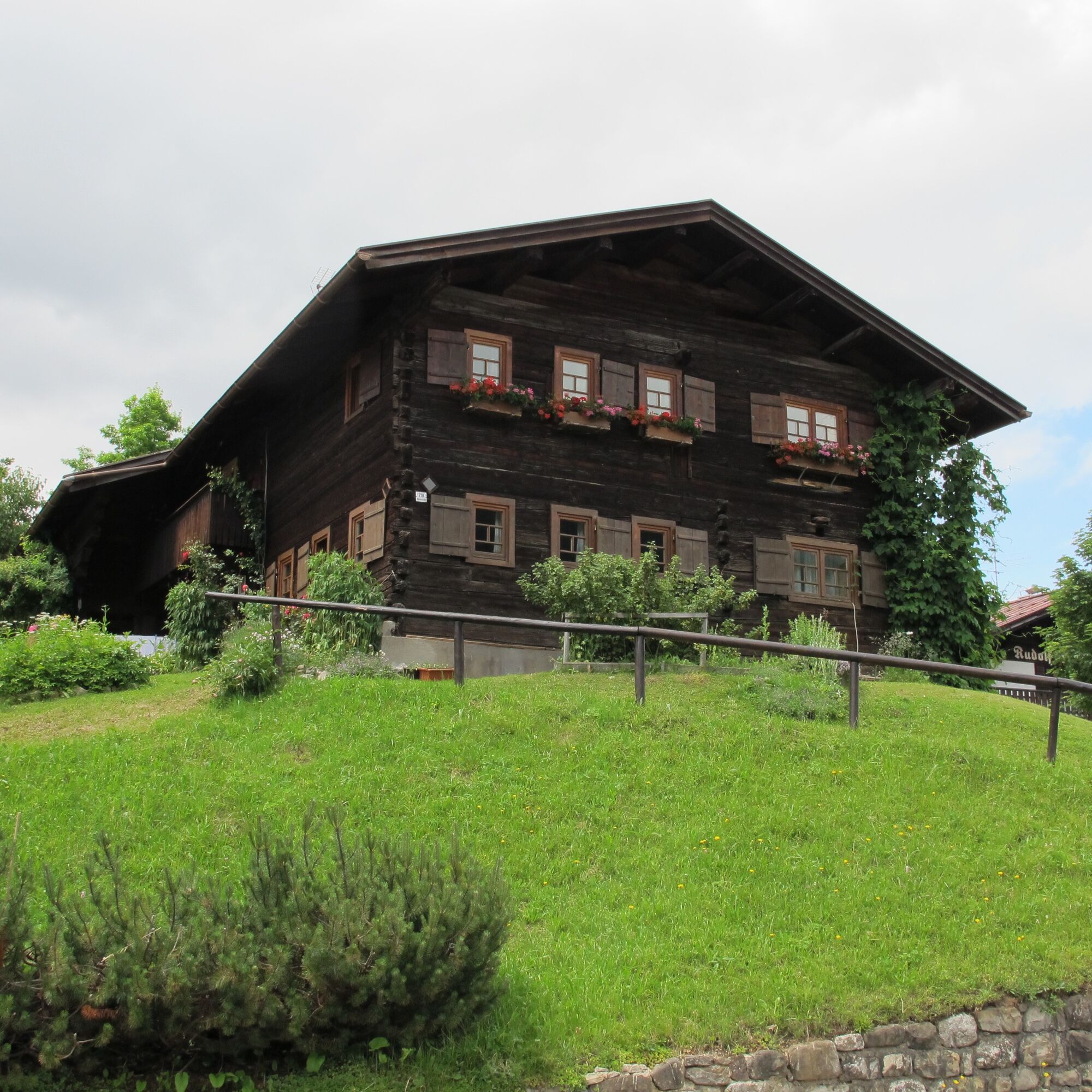
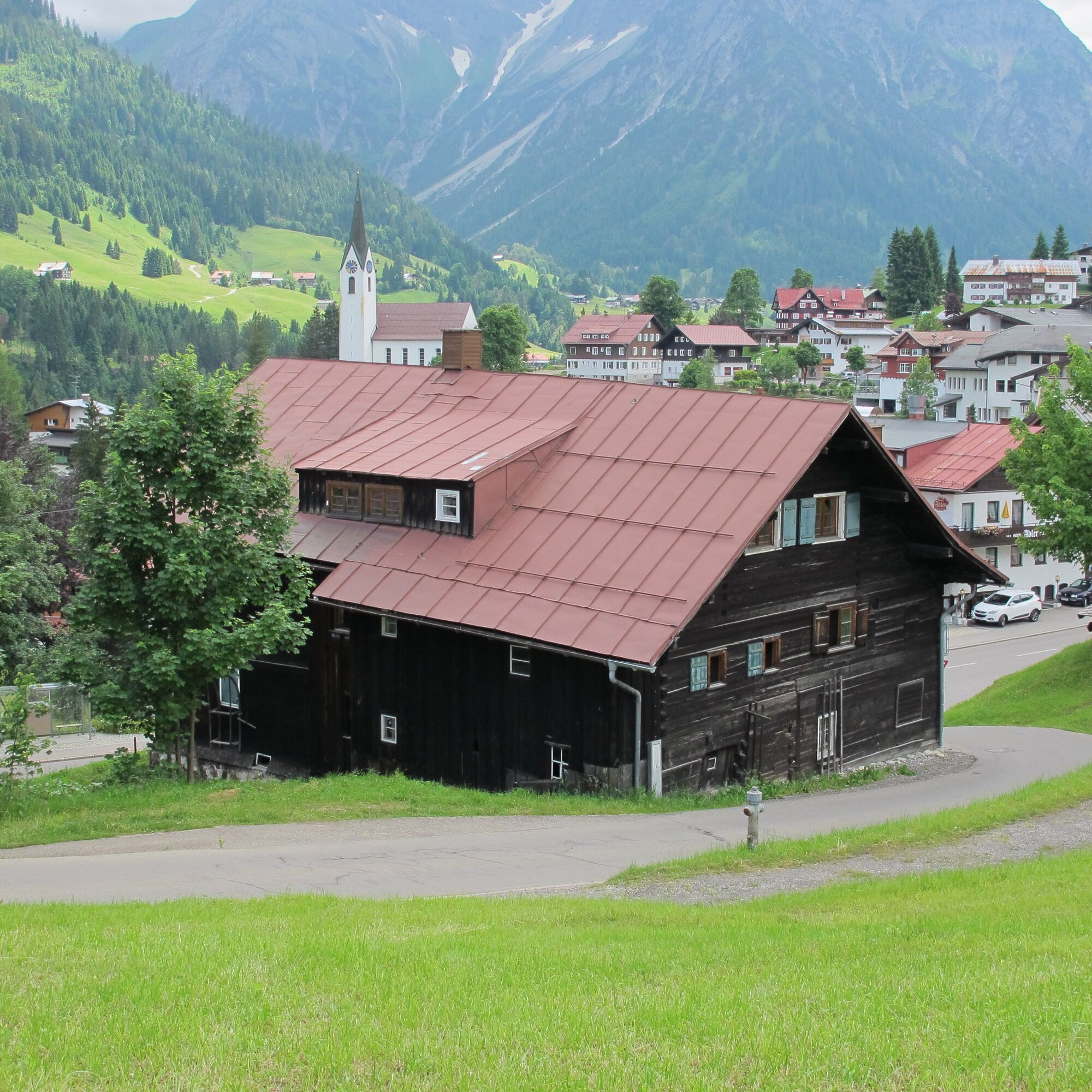
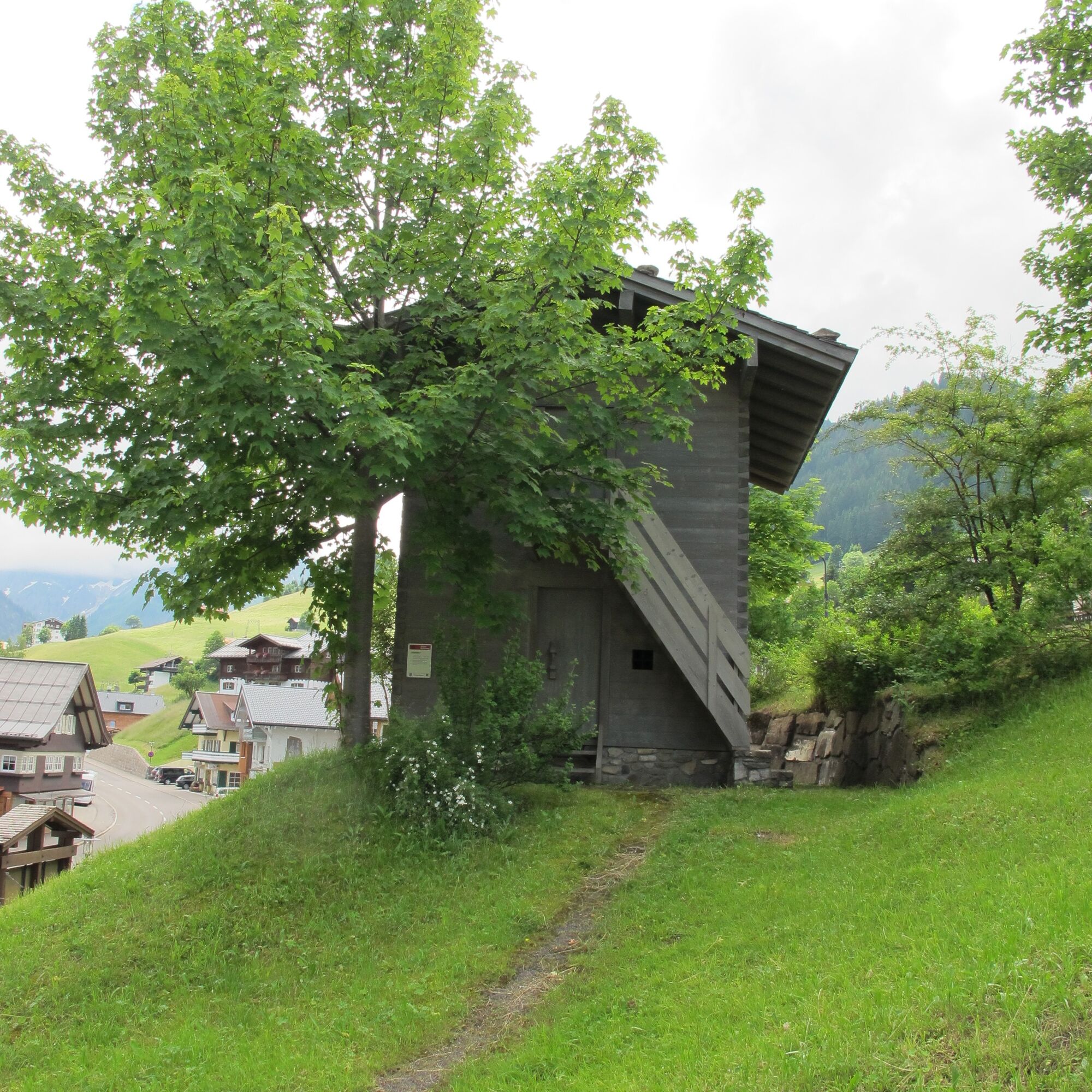

Iglesia parroquial de Santa Ana - Casa de la escuela y del sacristán - Breitachweg - Capilla Maria Hilf de Leidtobel - Puente de Leidtobel - Casa del tirador - Fuente mineral Maria Höll - Casa Walser Kessler - Antigua casa comunal - Granero Schpiicher - Iglesia de la Cruz - Monumento a los caídos
Calzado resistente y ropa adecuada al clima
NÚMEROS DE EMERGENCIA:
144 Emergencias alpinas Vorarlberg
112 Emergencia europea (funciona con cualquier móvil/red)
La mayoría de las rutas de acceso desde Alemania confluyen en Ulm y continúan por la A7. En el triángulo de autopistas Allgäu por el tramo de la A980 hasta la salida Waltenhofen y luego por la B19 de cuatro carriles pasando Sonthofen y Oberstdorf hacia Kleinwalsertal. Desde Austria (Vorarlberg) y Suiza se llega a Kleinwalsertal a través del Bregenzerwald (Hittisau) – Paso de Riedberg – Fischen – Oberstdorf. Desde Tirol, el camino más rápido es por la A7 hasta Kempten y luego por la B19 en dirección a Oberstdorf. No se necesita viñeta de autopista para la entrada al valle.
Punto de partida del recorrido: línea 1 del Walserbus, parada Walserhaus
Hay aparcamientos de pago en la Casa Walser
T1
Nature is so much more than the backdrop for unforgettable mountain experiences. It is a habitat for animals and plants. It provides drinking water and supplies us with high quality food. Not only does it provide valuable raw materials such as wood, it also protects against avalanches and mudslides and regulates the climate. It is up to us to support nature in everything that it does for us. One thing is certain, together we can achieve more:
Smart in NATURE
CONSCIOUS together
EXPERIENCE foresight
Smart in NATURE
Take a deep breath and recharge your batteries, be outside and feel free. When we enjoy nature, we are guests in the living room of shy animals and rare plants. If you behave smart, they will be happy to share their living space with you in the future too.
Stay on paths and marked routes
If you follow the marked paths and routes, you are sure to come to new favorite places. In this way you also respect protected areas, because many animals and plants need special protection. Especially in winter, any disturbance unnecessarily costs the wild animals the strength they need to survive.
Avoiding twilight times
Standing on a mountain at sunrise is a special experience. The morning and evening hours are also the time when most wild animals are in search of food. If they are disturbed, they get stressed. If it cannot be avoided, please stay on the marked path, do not use a bright headlamp and enjoy the silence.
Stay clean & take rubbish with you
It goes without saying: You take rubbish with you again, on the mountain and in the valley. Please also organic waste, because it is composted much more slowly at altitude. You can dispose of the rubbish properly at home or in your accommodation - please remember that there are no rubbish bins in public spaces in Kleinwalsertal.
On the natural toilet
If you are looking for a quiet place, please be at least 50 m away from water. Bury excrement or cover it with a large stone. Use fallen leaves or recycled toilet paper and put the paper back in the trash bag.
On tour with a dog
Are you always in control of your four-legged partner, even if he gets his nose for marmots, deer or other wild animals? You are both on the safe side on a leash. Keep dogs on a short leash near grazing cattle. If an attack by a grazing animal is foreseeable: leash off immediately. There are numerous dog stations in the valley for the disposal of dog bags. The farmers and alpine farmers thank you because manure in meadows and fields contaminates the feed and makes grazing cattle sick.
CONSCIOUS to each other
Consideration for other athletes and those looking for relaxation
Everyone loves to enjoy a special piece of earth for themselves. But most of the time we are not traveling alone. No problem, because there is enough space. Allow time, open the way in an accommodating manner, provide support when someone needs help and always give a smile. So nothing stands in the way of friendly cooperation and relaxed enjoyment of nature.
Appreciating the preservation of the cultural landscape
Alpine landscapes are touching with their contrast: Imposing peaks and natural forests alternate with gentle valleys, well-tended meadows and pastures. In the Kleinwalsertal too, this delightful landscape at three altitudes is no coincidence, but the result of an interplay of natural and cultural landscapes. Behind this is the work of farmers, alpine and forestry as well as hunters. With their work, they ensure that the attractiveness of the recreation and leisure area and the diversity of species are preserved. We already say thank you if we stay on the marked trails and enjoy regional products.
EXPERIENCE farsighted
Safe on tour - for you and others
Whether on a ski or snowshoe tour in winter or on a mountain tour in summer, anyone who is out and about in alpine terrain has to be well prepared. This includes careful information and tour planning as well as the right equipment. Correctly assessing alpine dangers requires a lot of knowledge and experience. Why not learn from professionals and go on tour with one of the experienced guides?
En el camino cultural Walser además de los paneles informativos en cada estación se puede escuchar la audioguía: abrir la app Outdooractive > Mapa > clic en el botón de tres puntos > Audioguía o a través del enlace arriba.
Cada martes durante la temporada de verano hay una caminata cultural guiada con el cronista municipal Stefan Heim. Los participantes reciben, además de la información sobre los edificios y lugares del camino cultural Walser, detalles interesantes sobre tradiciones y arquitectura Walser.
Para obtener información detallada sobre la cultura Walser está disponible en la oficina de turismo el librito "Originales & Originelles".
Webcams del recorrido
-
Hahnenköpflebahn Bergstation / Ifenbergbahn
-
Fellhorn/Oberstdorf Kleinwalsertal
-
Hirschegg - Naturhotel Chesa Valisa
-
Zaferna Bergstation
-
Riezlern - Kinderland
-
Mittelberg - Naturhotel Lärchenhof
-
Plattform - Schirmbar Riezlern
-
Riezlern Unterwestegg - Gästehaus Almenrausch
-
Riezlern/Schwende - Genuss- & Aktivhotel Sonnenburg
-
Hirschegg - Hotel Walserhof
-
Hirschegg - Hotel Birkenhöhe
-
Hirschegg - Hotel Sonnenberg
-
Mittelberg Bödmen - Hotel Alte Krone
-
Mittelberg - Haus Walser Berge
-
Möserbahn Berg
-
Möserbahn Berg
-
Möserbahn Berg
-
Möserbahn Berg
-
Möserbahn Berg
-
Kanzelwand / Fellhorn
-
Fellhorn
-
Mittelberg - Gästehaus Otto Fritz
-
Bannholzhof
-
Fellhorn/Oberstdorf Kleinwalsertal
-
Bannholzhof
-
Kleinwalsertal / Haus Keti
-
Walmendingerhorn
-
Walmendingerhorn
-
Kleinwalsertal
-
Riezlern - Haus Peter Paul
-
Riezlern - Landhaus Evi
-
Hirschegg - Hotel Birkenhöhe
-
Kleinwalsertal - Ifenbahn
-
Kleinwalsertal - Kanzelwandbahn
-
Ideallift
-
Naturhotel Chesa Valisa
-
Ferienhaus Oberwiese
-
Gästehaus Panorama
-
Alpenwald
-
Haus Berg & Tal / Hirschegg
Infórmate
Siempre en directo con más de 9.500 webcams. bergfex Como usuario Pro, ahora puede ver las webcams correspondientes a muchos tours en la app de tours desde. Esto le permite ver las condiciones actuales directamente.
Rutas populares en los alrededores
-
5,0
Gerstruben - zum historischen Bergbauerndorf
medioSenderismo 12,8 km -
4,5
Winterwanderung ins Oytal
medioSenderismo de invierno 10,1 km -
4,4
Ruta de montaña sobre la cresta del Fellhorn
medioSenderismo 8,24 km -
4,4
Recorrido circular por el valle Bärgunttal
medioSenderismo 4,75 km -
4,7
Unterer Gaisalpsee
medioExcursión de alta montaña 8,64 km -
4,7
Widderstein Runde von Baad
medioSenderismo 15,8 km -
4,7
Rubihorn
medioSenderismo 9,06 km -
4,6
Entschenkopf
pesadoSenderismo 12,3 km -
4,9
Rubihorntour
medioSenderismo de montaña 13,0 km -
4,9
E5 - 1. Etappe: Oberstdorf - Kemptner Hütte
luzSendero de largo recorrido 7,80 km
Senderismo y rastreo

No se pierda las ofertas y la inspiración para sus próximas vacaciones
Su dirección de correo electrónico se ha añadido a la lista de correo.