


Alvar Aalto’s South-East Finland
If Jyväskylä is called the Aalto capital, Kymenlaakso can rightly be called the Aalto province. Kymenlaakso is the province in Finland with the most buildings designed by Alvar Aalto. The region is home...
If Jyväskylä is called the Aalto capital, Kymenlaakso can rightly be called the Aalto province. Kymenlaakso is the province in Finland with the most buildings designed by Alvar Aalto. The region is home to dozens of buildings designed by Alvar Aalto: detached houses, apartment buildings and blocks of flats, as well as industrial plants.
Most of the buildings designed by Alvar Aalto are placed freely in the landscape, taking into account the contours of the terrain. This makes the nature link a natural continuum for the views of houses and dwellings. Nature, light and their connection to homes were important to Aalto. The overall architectural approach and the typical elements of Aalto's form language recur in all Aalto projects in Kymenlaakso. Aalto managed to fit his buildings into nature, adding both creativity and artistry to their stark simplicity. Even today, people are still interested in the Aalto sites.
A tourist interested in architecture, history and design can easily spend several days exploring the buildings designed by Alvar Aalto, but also stay overnight in apartments designed and decorated by Aalto. There are a total of 7 areas on this route with buildings designed by Aalto:
The Strömfors factory dwellings
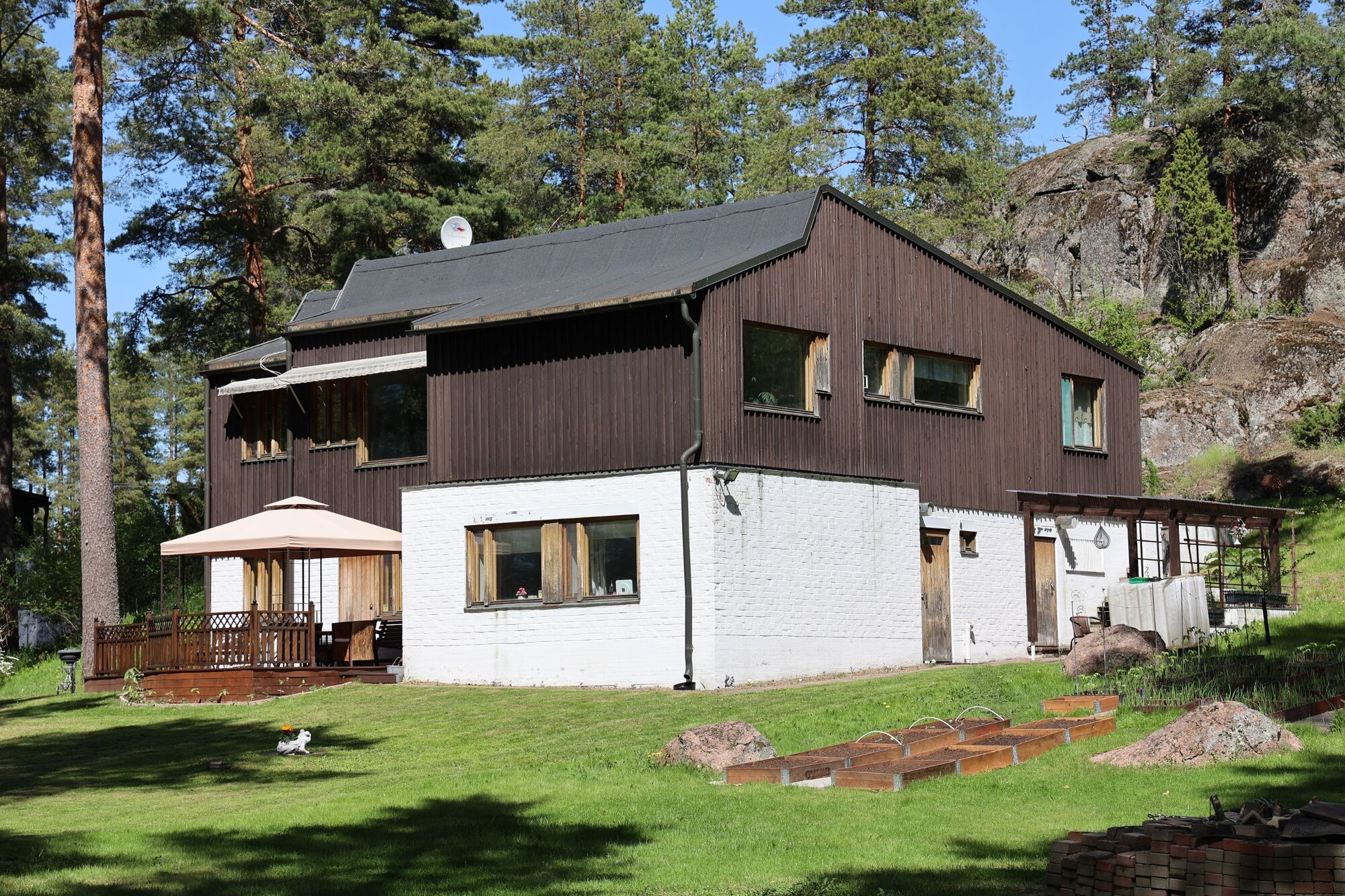
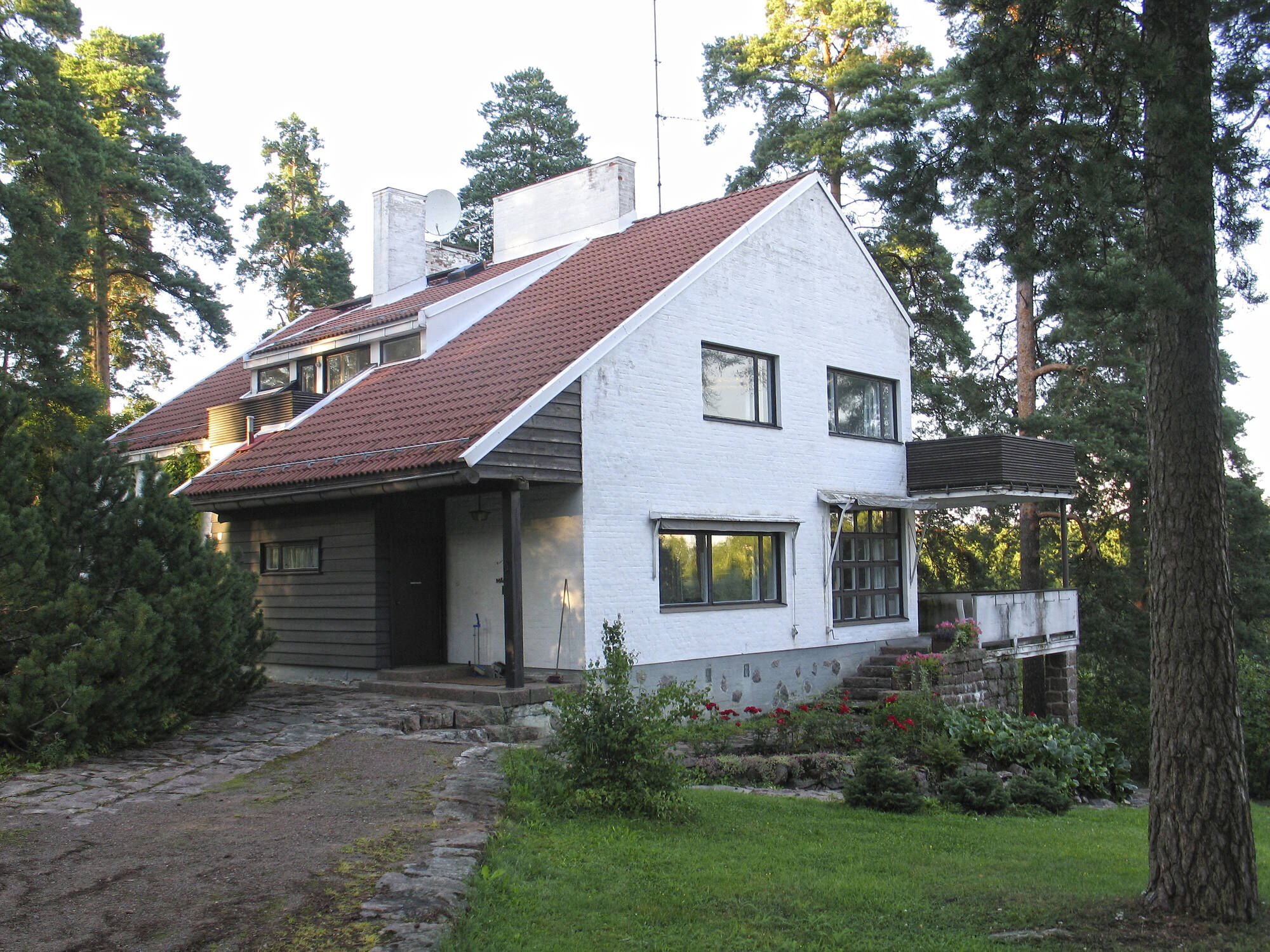
The Strömfors metal production area in Ruotsinpyhtää is one of Finland's best-preserved metal production communities, including a two-family house designed by Alvar Aalto's architectural firm, which has been renovated as a single unit while respecting its originality. Today, one of these buildings is used as a guesthouse.
Apartment buildings in Karhula, Kotka
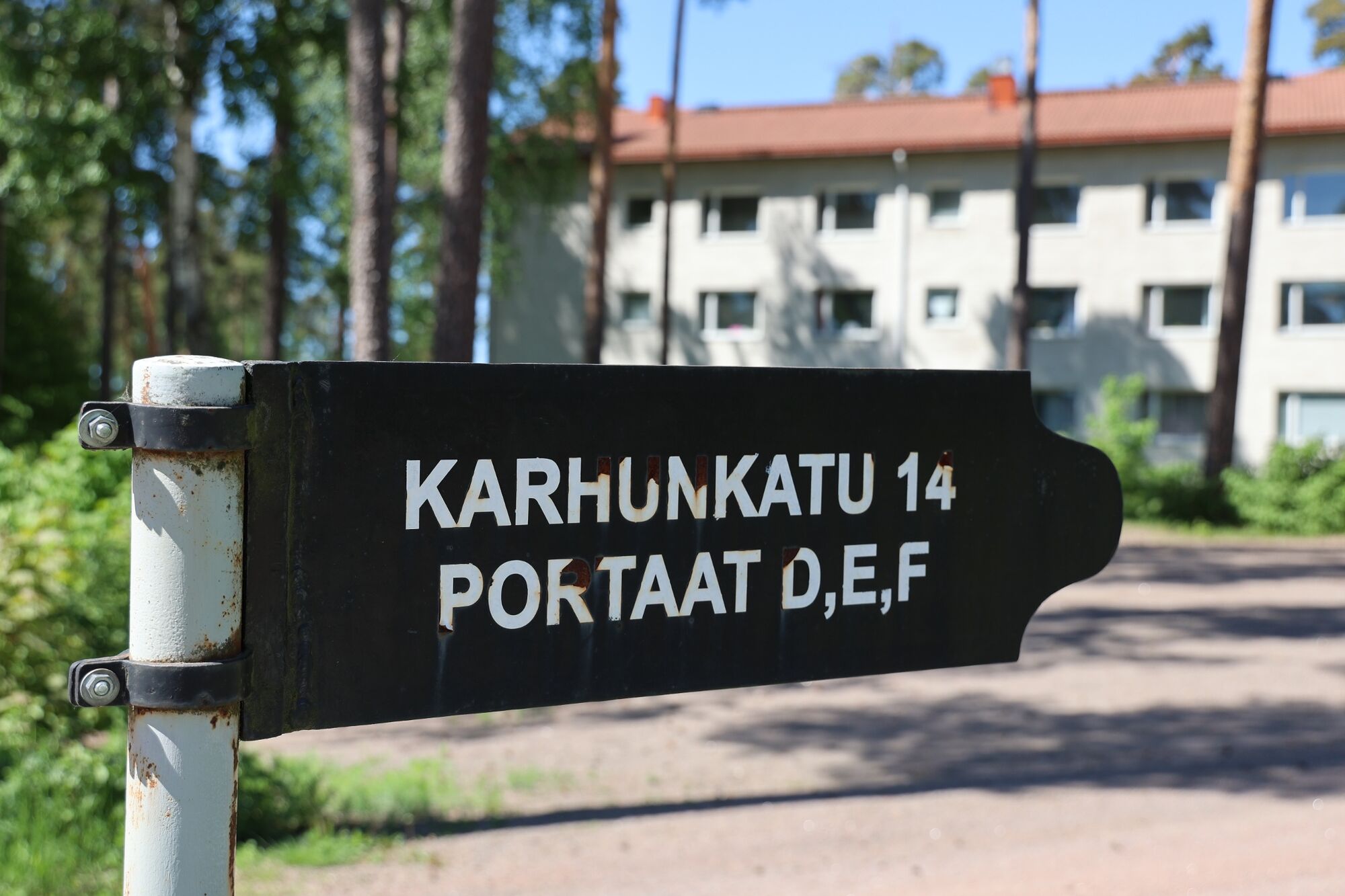
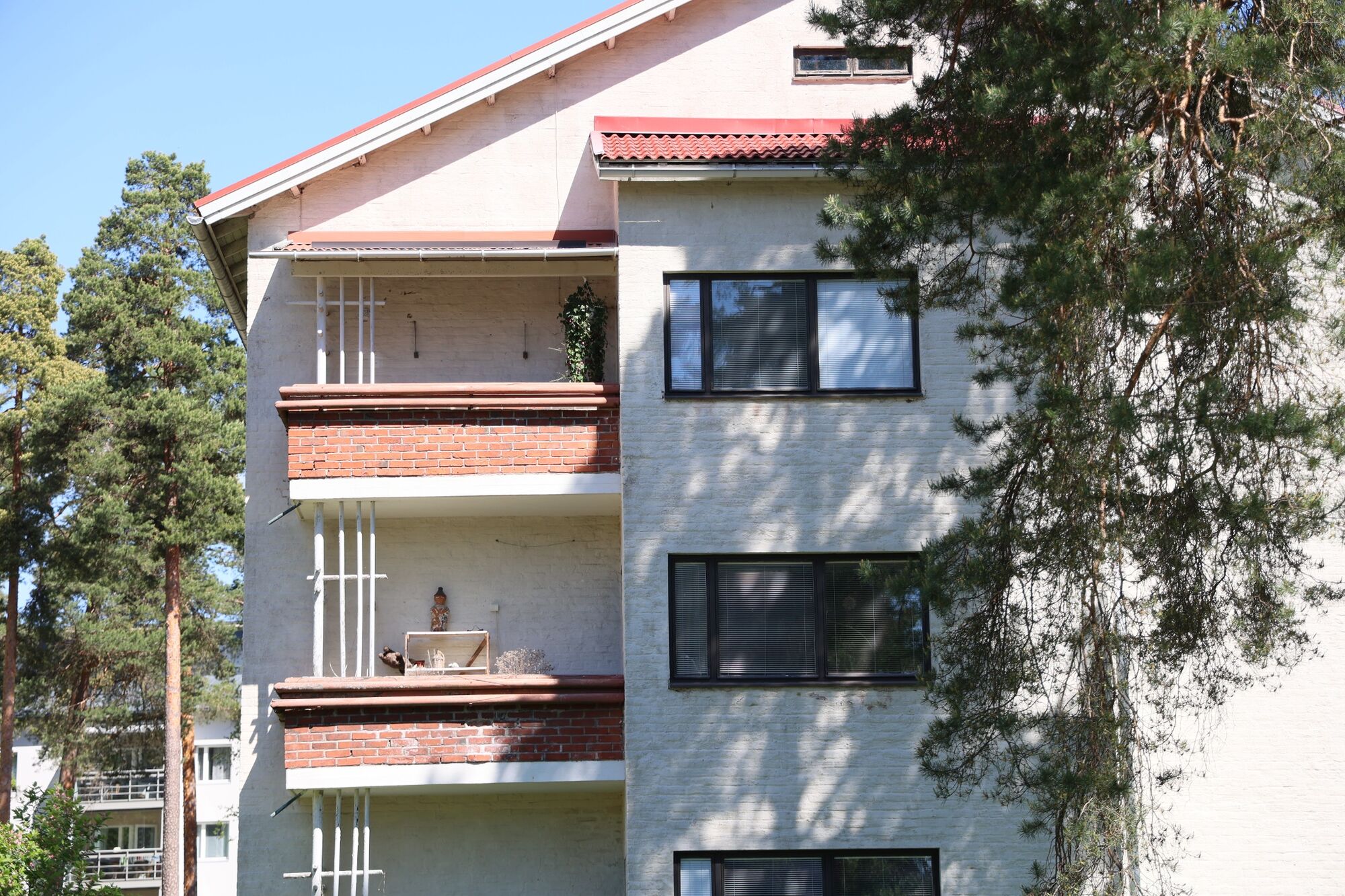
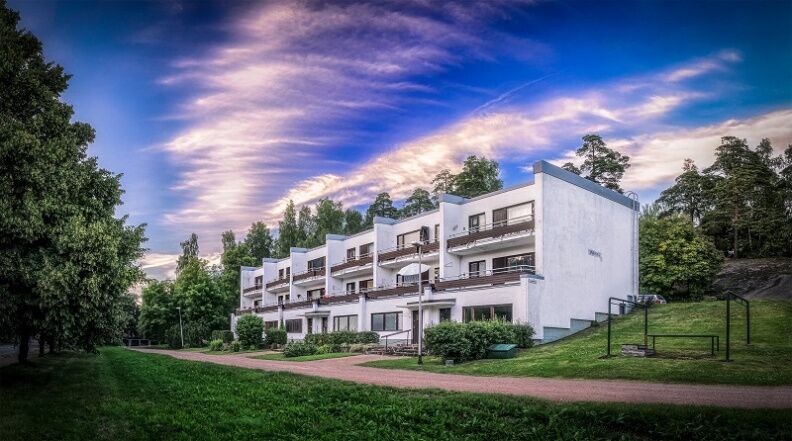
Alvar Aalto's design in Karhula is represented by the residential buildings completed on Karhunkatu street between 1945 and 1947, known as the "tennis houses".
Sunila factory and working class housing area
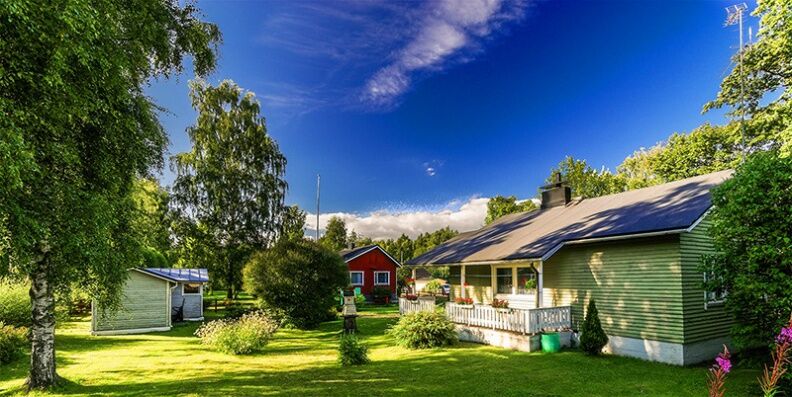
You will recognise Alvar Aalto's handiwork from the moment you arrive in this large and coherent residential area. The factory, completed in 1938, and the residential area next to it, originally built between 1937 and 1939, form a whole whose design clearly shows the influence of Alvar Aalto's 1930s modernism.
Hamina’s Petkele residential area
In Hamina, you can explore the environment of the Summa paper mill designed by Alvar Aalto and the apartments designed by him for the paper mill workers and management in the Petkele residential area.
Imatra
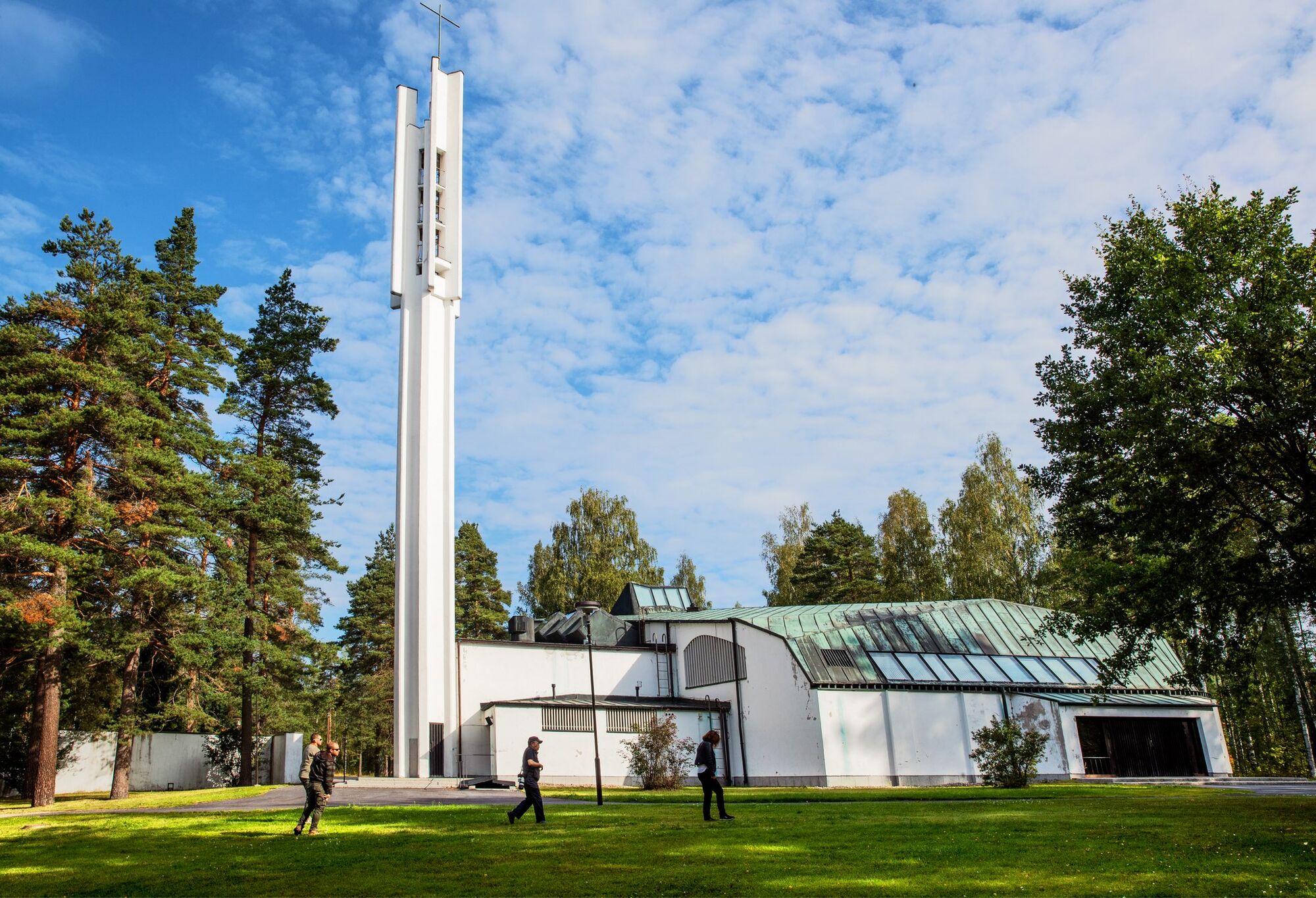
Imatra's Church of the Three Crosses in Vuoksenniska (1957) is one of the key buildings of modern church architecture in Finland and is one of Alvar Aalto's most internationally acclaimed works. Located in a pine forest canopy, the church represents functionalist church architecture and belongs to Aalto's so-called Italian type, which is also influenced by Le Corbusier.
The building complex includes a church hall, rectory, cemetery chapel and meeting and club rooms. Alvar Aalto himself was also responsible for decorating the interior of the church. The Church of the Three Crosses was consecrated in 1958.
Type C houses, designed by Alvar Aalto according to Kurkvuori type C, were also built in Imatra in 1950-1955. In addition, Aalto’s type houses have been built in Virasoja and Sienimäki. There are also some individual residential buildings elsewhere in Imatra. Alvar Aalto's hand is also visible in the general plan of the city of Imatra, completed in 1953.
The gates of Kouvola barracks area
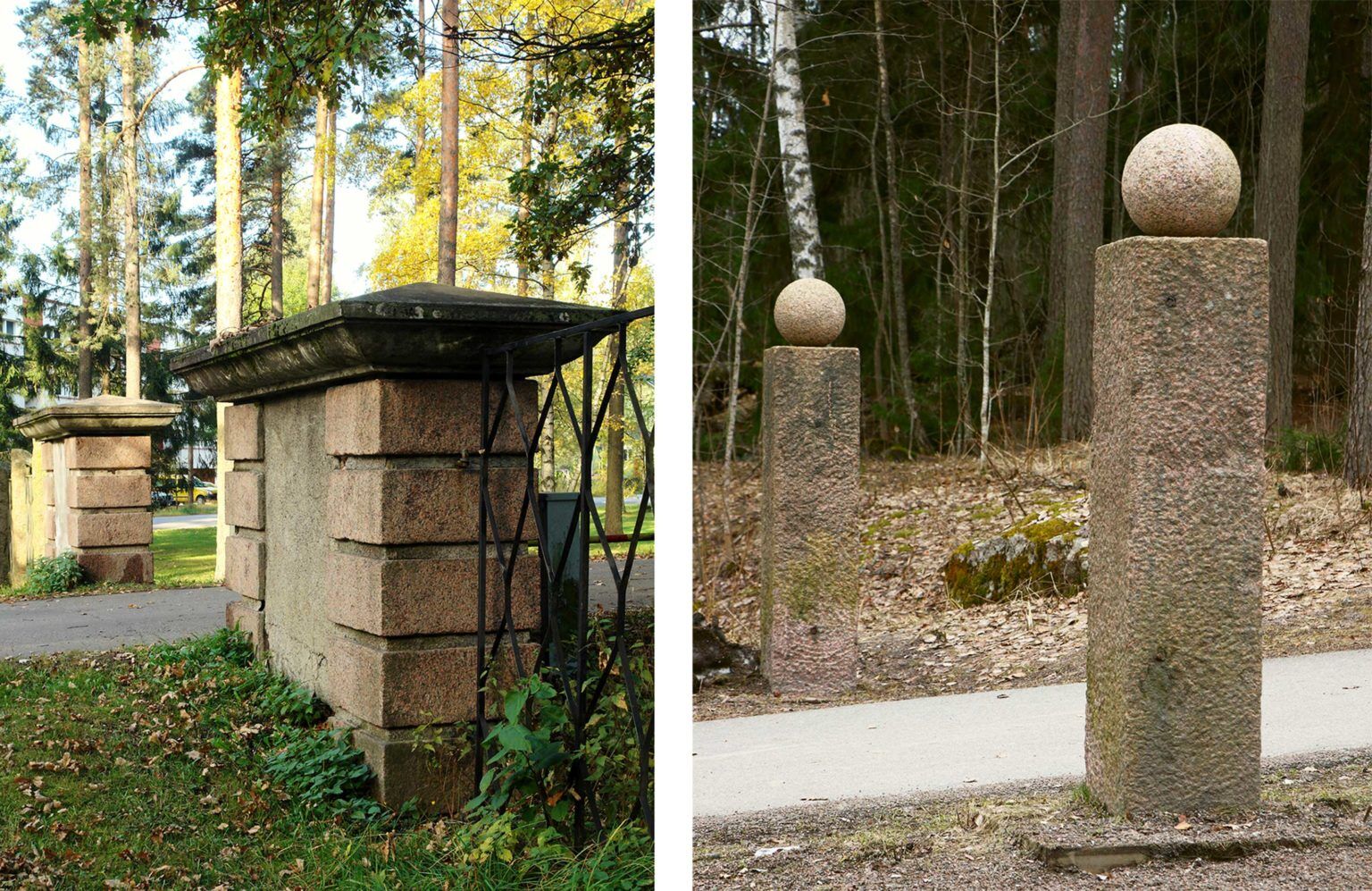
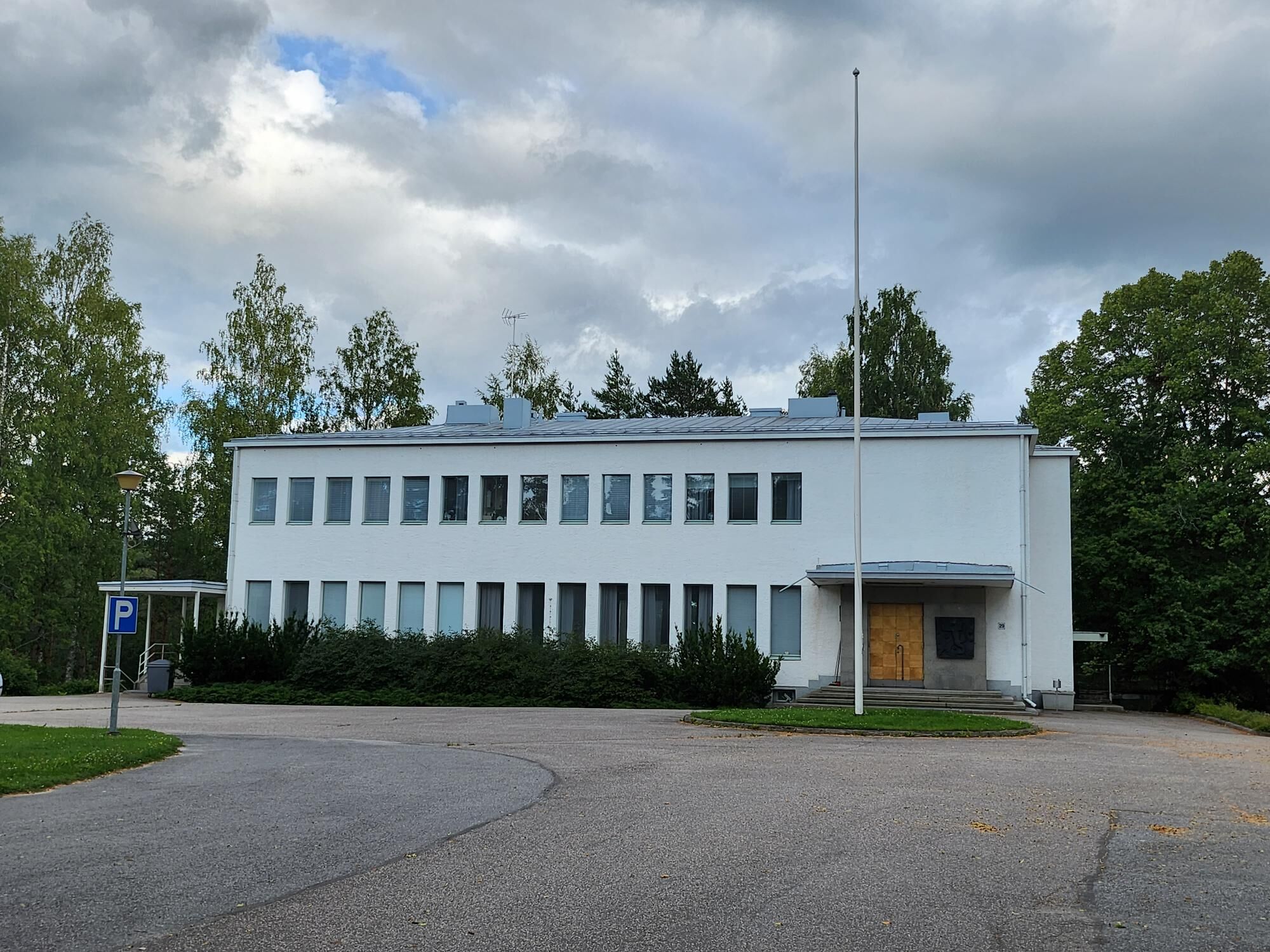
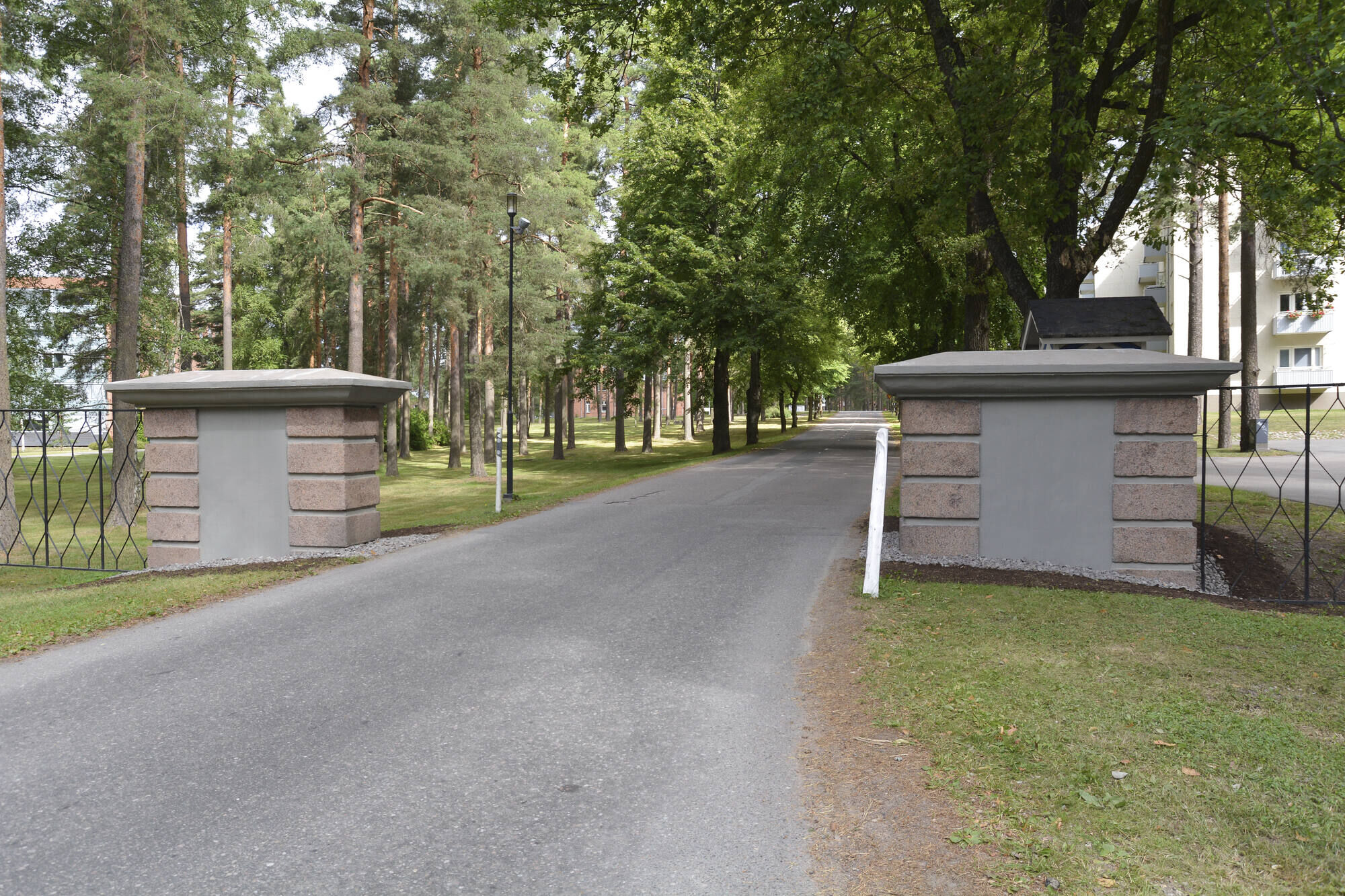
Alvar Aalto designed the pillars and iron fence of the natural stone main gate of the Kouvola barracks area and the granite pillars of the Marjoniemi barracks gate in 1923. Aalto also designed the interior of the first military home in the barracks, but the interior has been demolished.
Inkeroinen factory and residential area, Kouvola
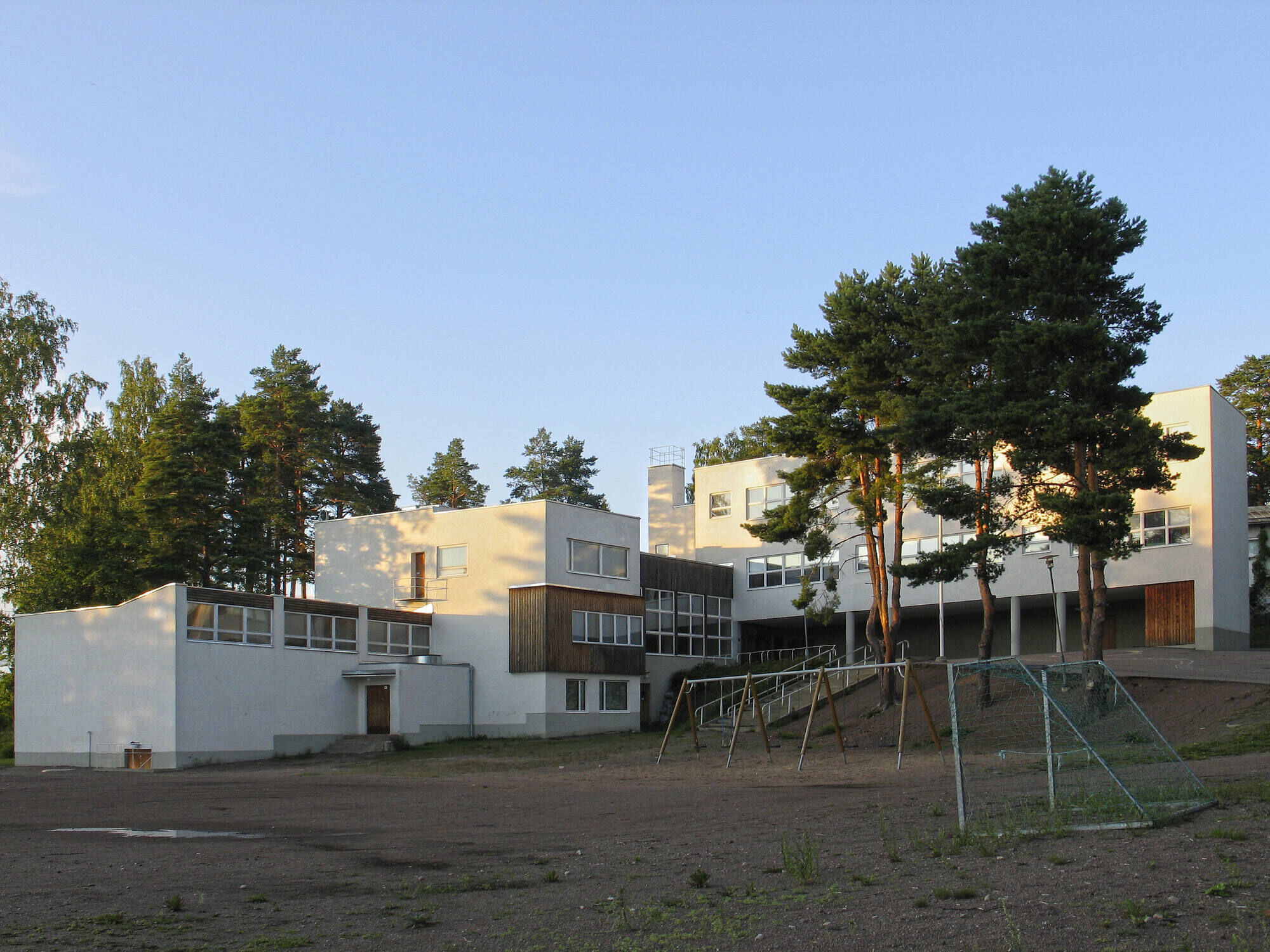
Between 1937 and 1956, Alvar Aalto designed an extensive complex in Inkeroinen, Kouvola, including factory buildings, residential buildings and a school building. The Inkeroinen paperboard mill and the Anjala paper mill and the surrounding factory complex form an internationally valuable built cultural environment with a strong presence of Aalto architecture.


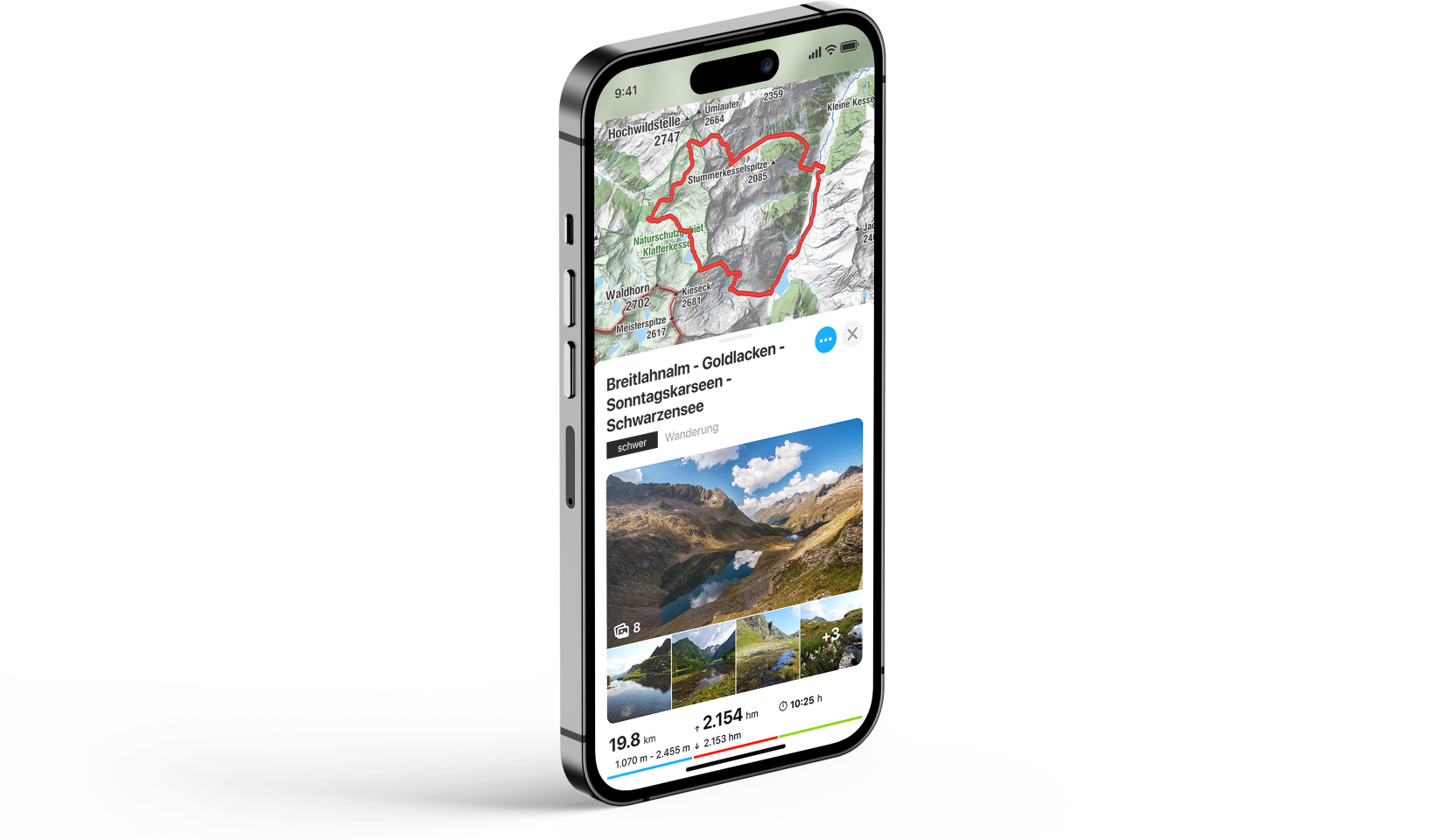
Download the Outdooractive app from your app store and follow the route with the help of its positioning function. Make sure you have enough extra power so you don't lose your positioning in the middle of the journey.
Dress for the weather.
Exercise normal caution when driving. The road network in the area is mainly in reasonably good condition and traffic volumes are moderate.
.
All towns along the route can be reached by long-distance bus and, with the exception of Hamina, by train.
Plenty of parking space
See our route map below for services and attractions along and near the route. For a detailed description of the route, maps, GPX files and photos, see these pages.
The Strömfors metal production area offers the possibility to spend the night in a civil servants' residence designed by Aalto's architectural company.
In Kotka, Sunila, it is also possible to stay in the atmosphere of Alvar and Aino Aalto. There are also active associations in the area, which aim to raise the profile of the area and make Sunila known both in Finland and abroad Accommodation in Kotka, Sunila and other services and events in Sunila
Modernism and functionalism can be seen in Imatra's architecture in many ways. The Immola barracks area reflects the construction of modern Finland and is functionalism at its best. Industrialisation, such as the completion of the Enso-Gutzeit factories in the 1930s and the residential areas built for the staff, such as the Lättälä area, exemplify the new architectural style. Both the Immola barracks area and Lättälä have been preserved as fine architectural ensembles. Alvar Aalto's hand is also visible in the general plan of the city of Imatra, completed in 1953.
In Inkeroinen, Kouvola, you can walk around the residential and factory area surrounded by Alvar Aalto's buildings, while respecting the peace and quiet of the residents. Guided tours of Aalto sites are available for groups on request. The Ankkapurha Cultural Park offers accommodation and catering services, among other services, for those exploring Aalto architecture. Guided tours of Inkeroinen and the services of Ankkapurha Cultural Park
Rutas populares en los alrededores
-
Ruta natural y cultural del Vuoksi, Imatra
luzSendero temático 8,38 km -
Recorrido arquitectónico y de lugares de interés de Imatra en bicicleta
luzCiclismo 38,9 km -
El recorrido geológico de Imatra isla Lammassaari
luzSendero temático 3,38 km -
Ruta ciclista Vuoksi en Imatra
luzCiclismo 11,9 km -
Sendero invernal de Imatra
medioMountainbike 20,2 km -
Sendero forestal de Vuoksenniska, Imatra
medioSendero temático 2,75 km -
Ruta ciclista Äitsaaren maisematie
medioCiclismo 29,4 km -
Ruta geológica de Imatra Parque Kruununpuisto
luzSendero temático 6,59 km -
Ukonniemen maastopyöräilyreitti, Imatra
luzMountainbike 4,86 km -
Senderos paisajísticos y naturales de Kruununpuisto
luzSendero temático 2,36 km

Senderismo y rastreo

No se pierda las ofertas y la inspiración para sus próximas vacaciones
Su dirección de correo electrónico se ha añadido a la lista de correo.